Reviewable assistance
Image analysis can propose titles, descriptions, types, and tags. A user reviews the result before relying on it.
For physical inventory that is actually used
Eight examples of how the same open inventory system can model tools, household objects, company assets, lending equipment, collections, school devices, vehicle stock, and lab hardware.
Capture at the object
photos and codes reduce later transcription
Choose the stock model
quantity and serial tracking stay distinct
Operate it yourself
MIT-licensed code, Docker, PostgreSQL, and OpenAPI
Real-world views
The photographs show real working environments. The interface images are direct captures from the running web application with purpose-made demo content — no generated scenes and no recreated mockups.
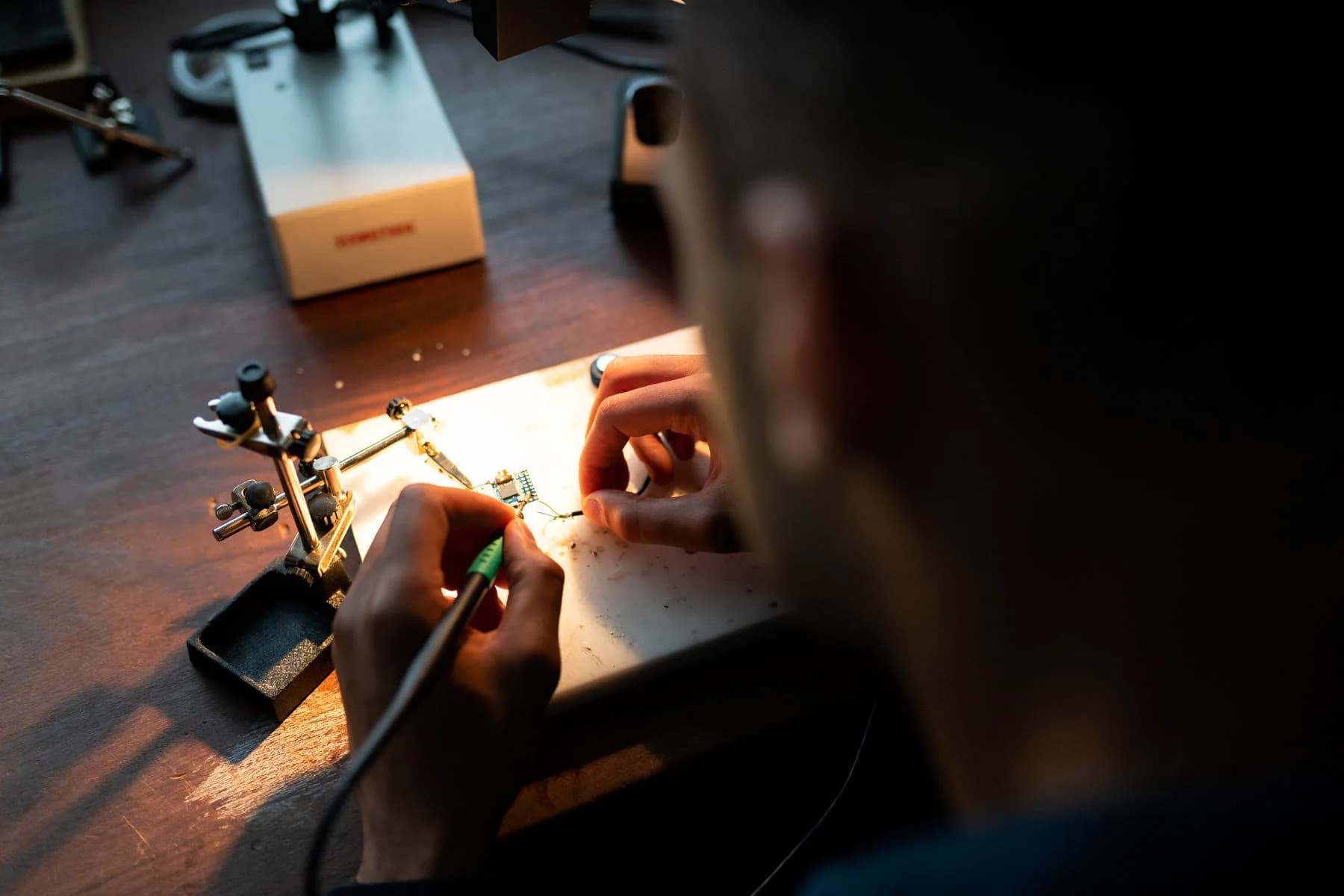 Real photography
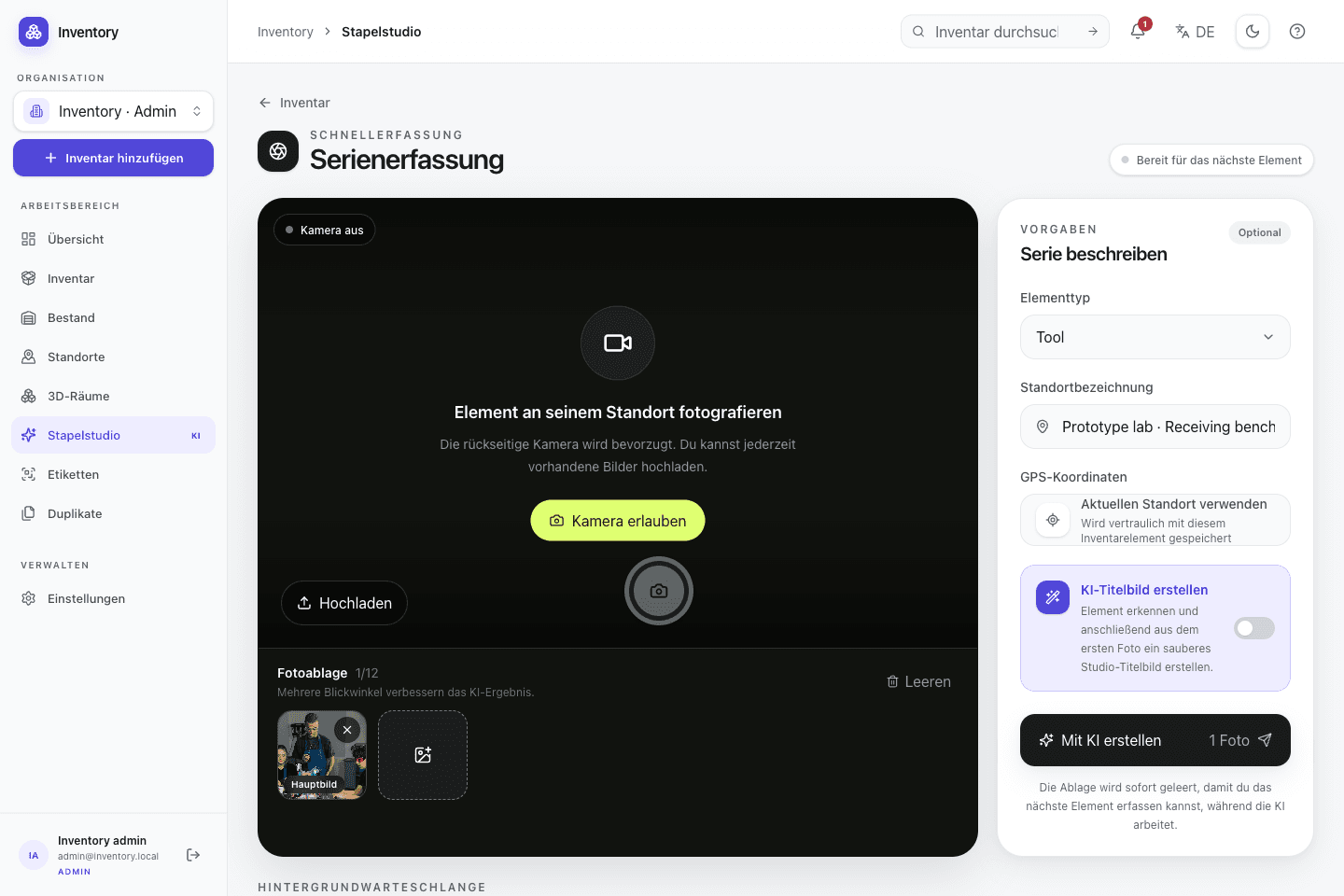 Real capture · demo content
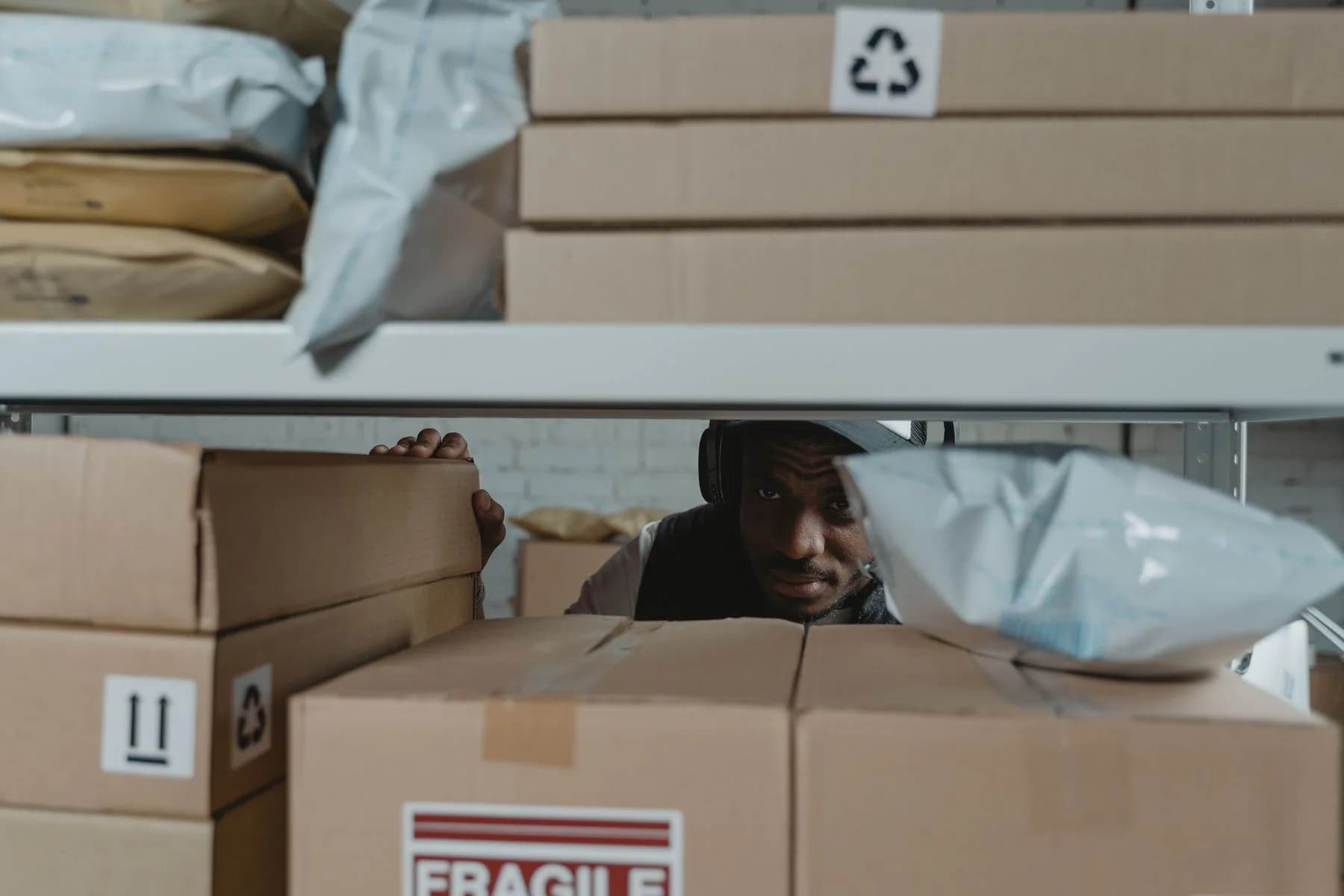 Real photography
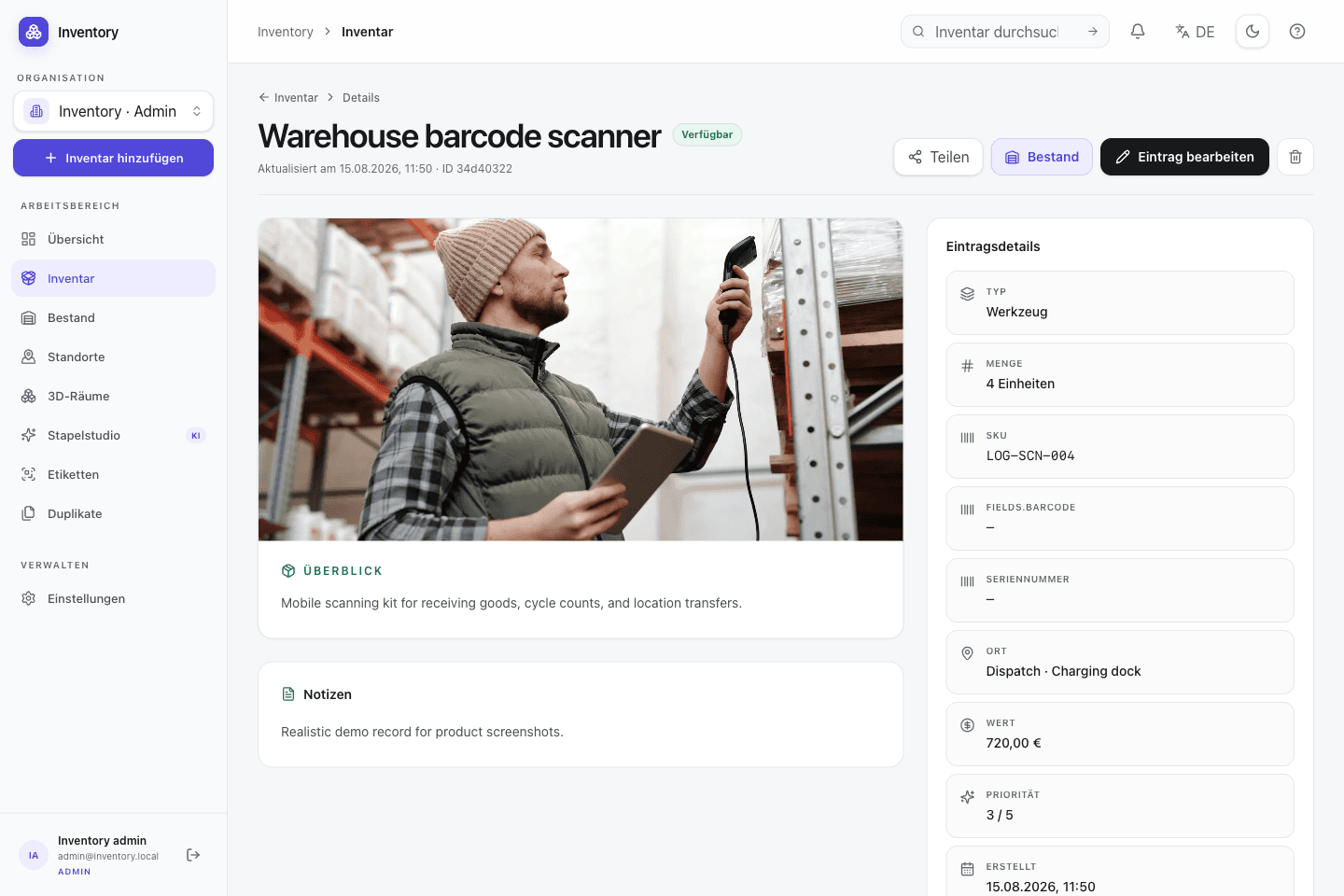 Real capture · demo content
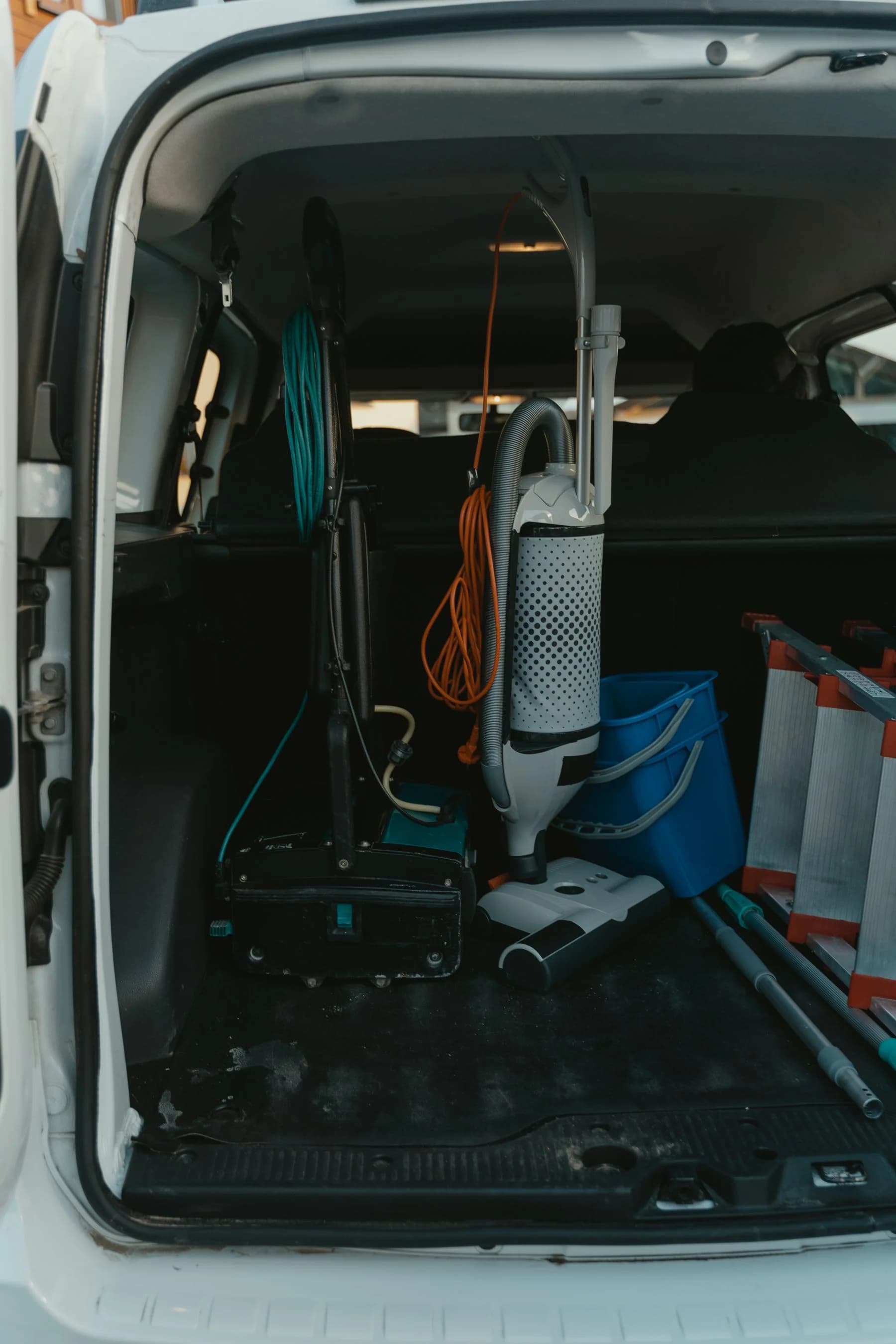 Real photography
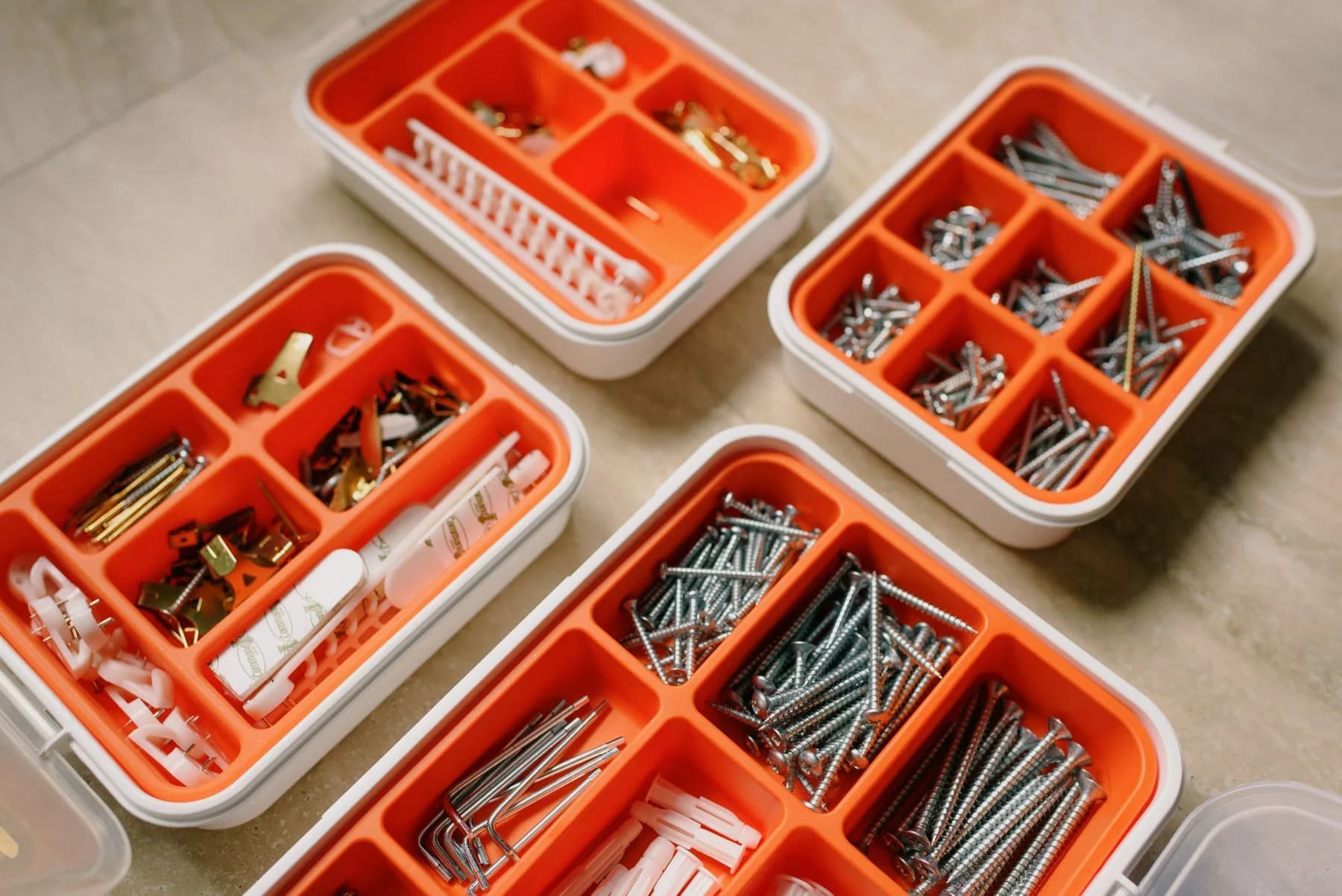 Real photography
Eight concrete operating contexts
Each page describes data choices, a capture workflow, relevant features, iPhone use, and the limits of the use case. The examples use mock data and do not imply a separate industry edition.
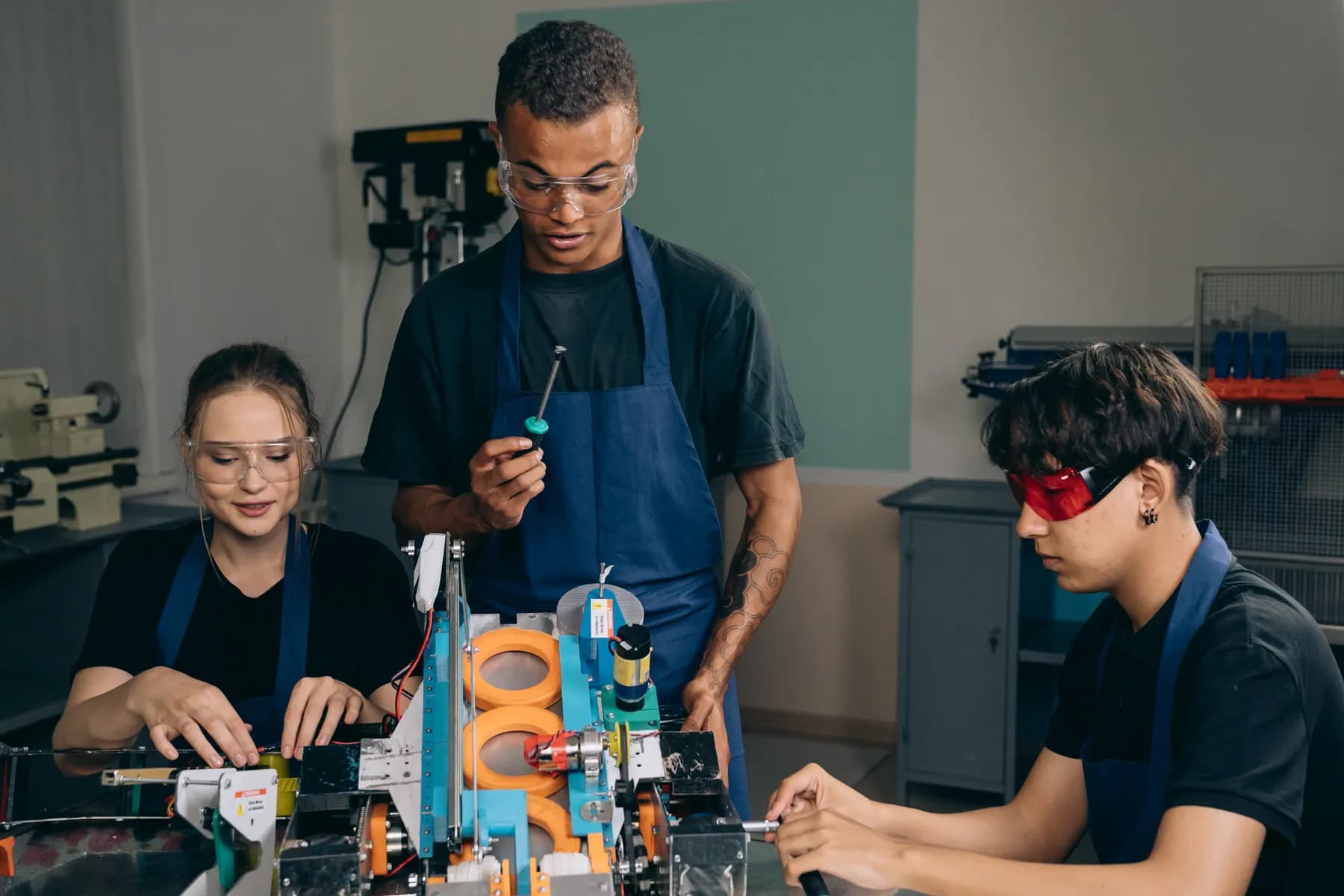 Real photographyWorkshop and shared equipment
Track machines, hand tools, and consumables with codes, locations, and an append-only movement history.
 Real photographyHousehold and shared belongings
Document boxes, rooms, manuals, and warranties without turning a household inventory into permanent spreadsheet work.
 Real photographyAssets and growing teams
Assign equipment, count prototype parts, receive purchase orders, and integrate the inventory through a scoped REST API.
Real photographyShared material and volunteersCatalogue shared equipment, document issues and returns, and split permissions between members and maintainers.
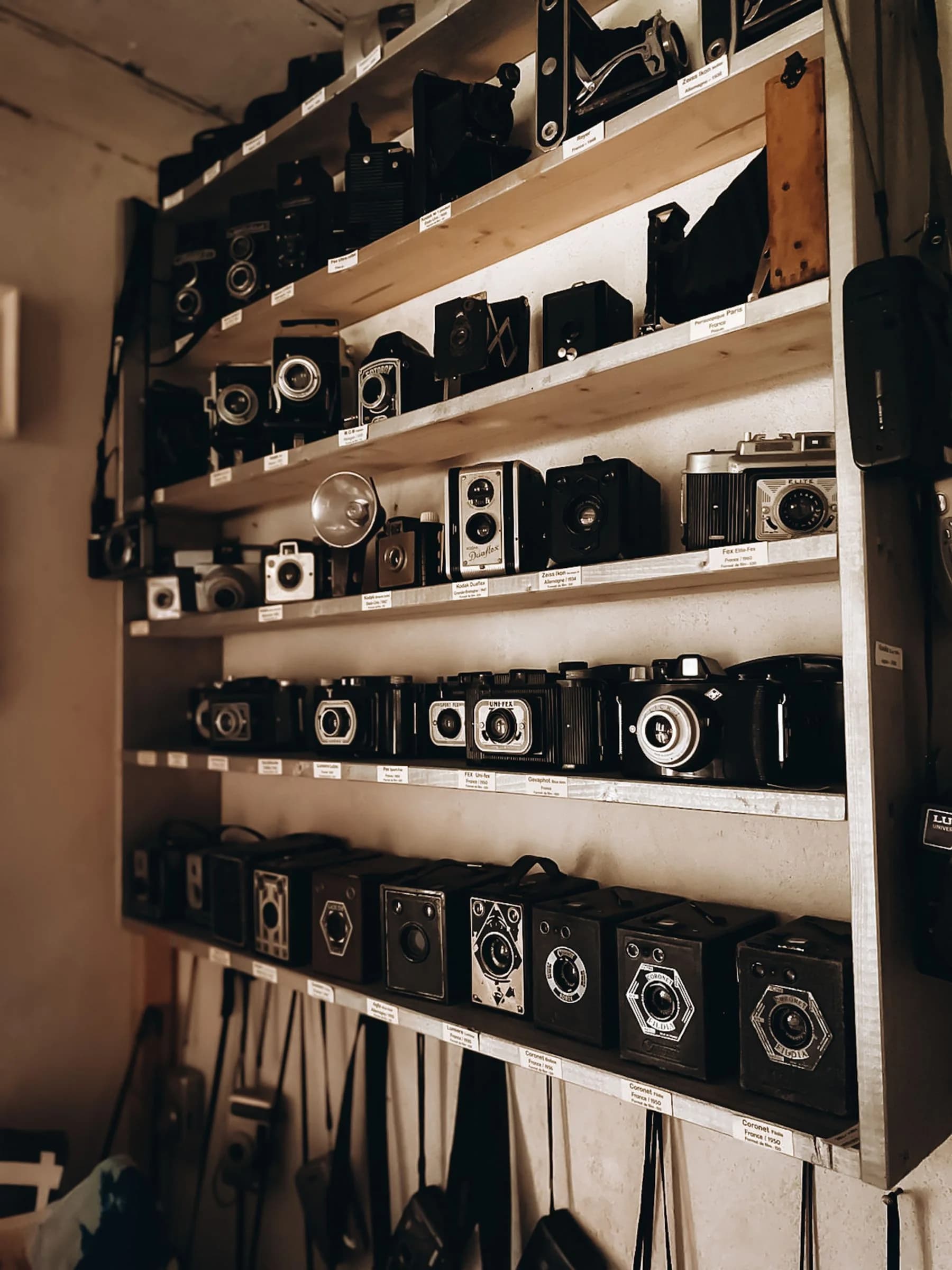 Real photographyObjects and documented provenance
Document objects with ordered media, custom fields, relationships, locations, translations, and portable data access.
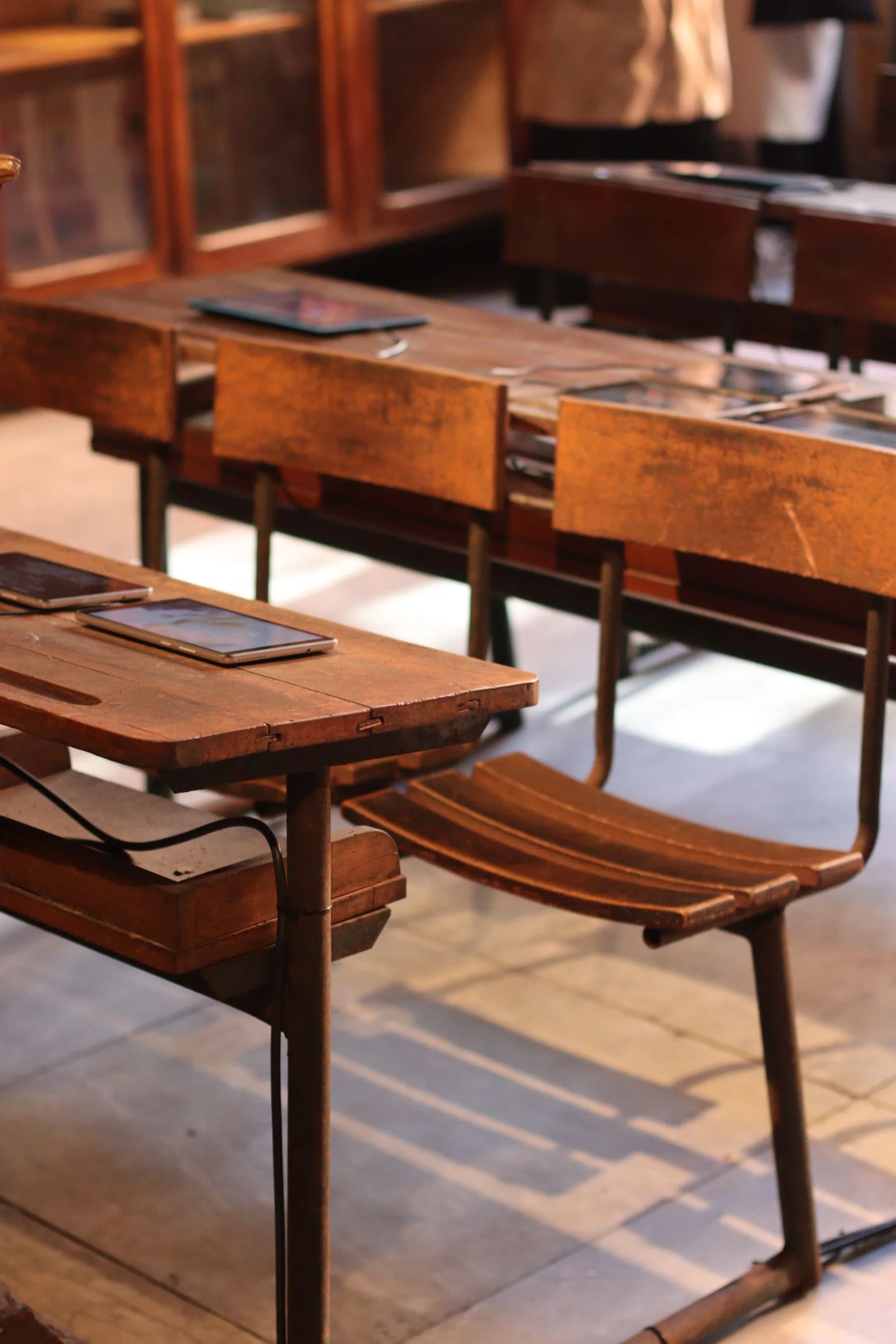 Real photographyLoan devices and specialist rooms
Capture tablets, experiment kits, and room equipment, then record lending and recurring inventory checks.
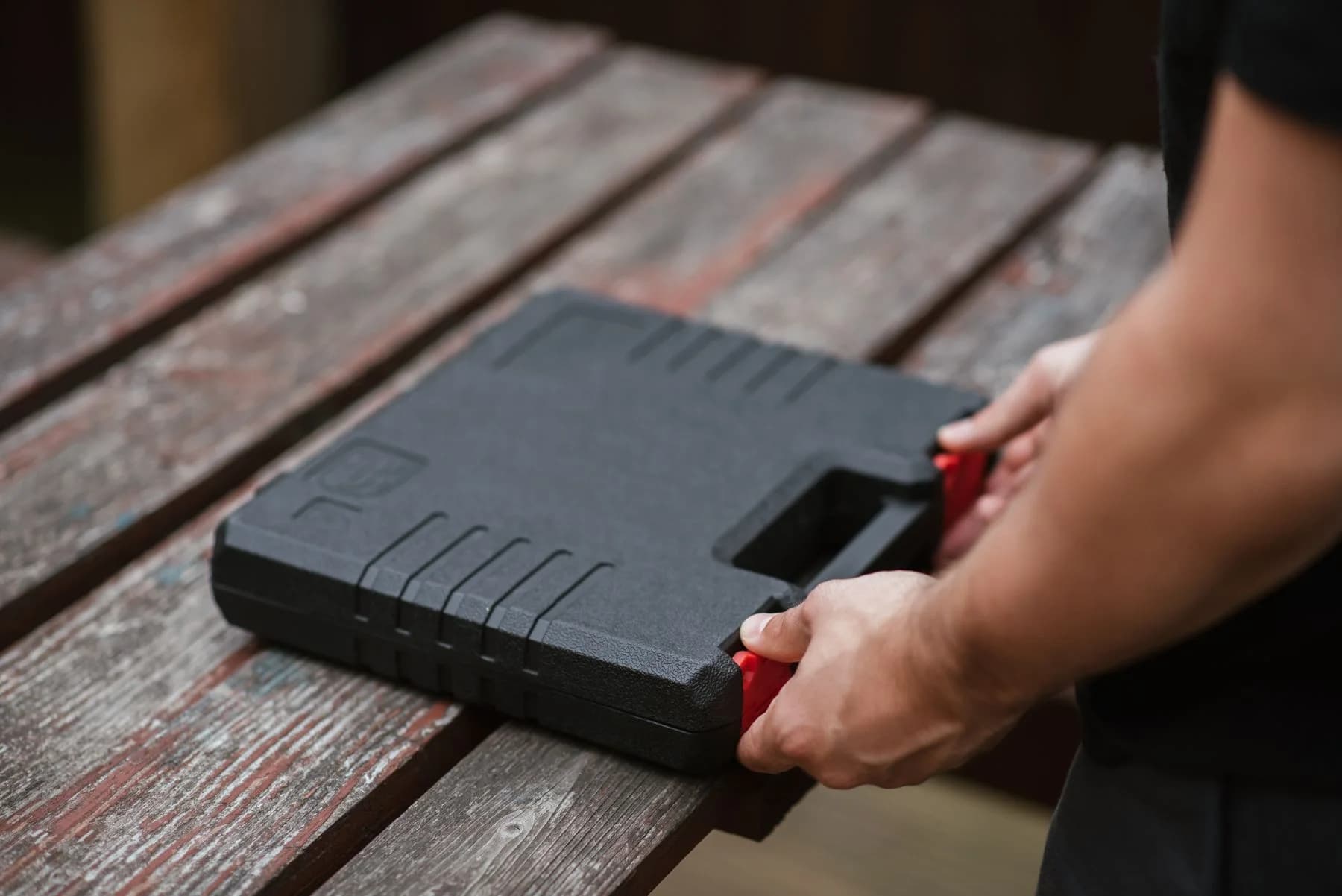 Real photographyVehicles and job sites
Track vehicle stock, power tools, and consumables from a phone, with explicit transfers and replenishment data.
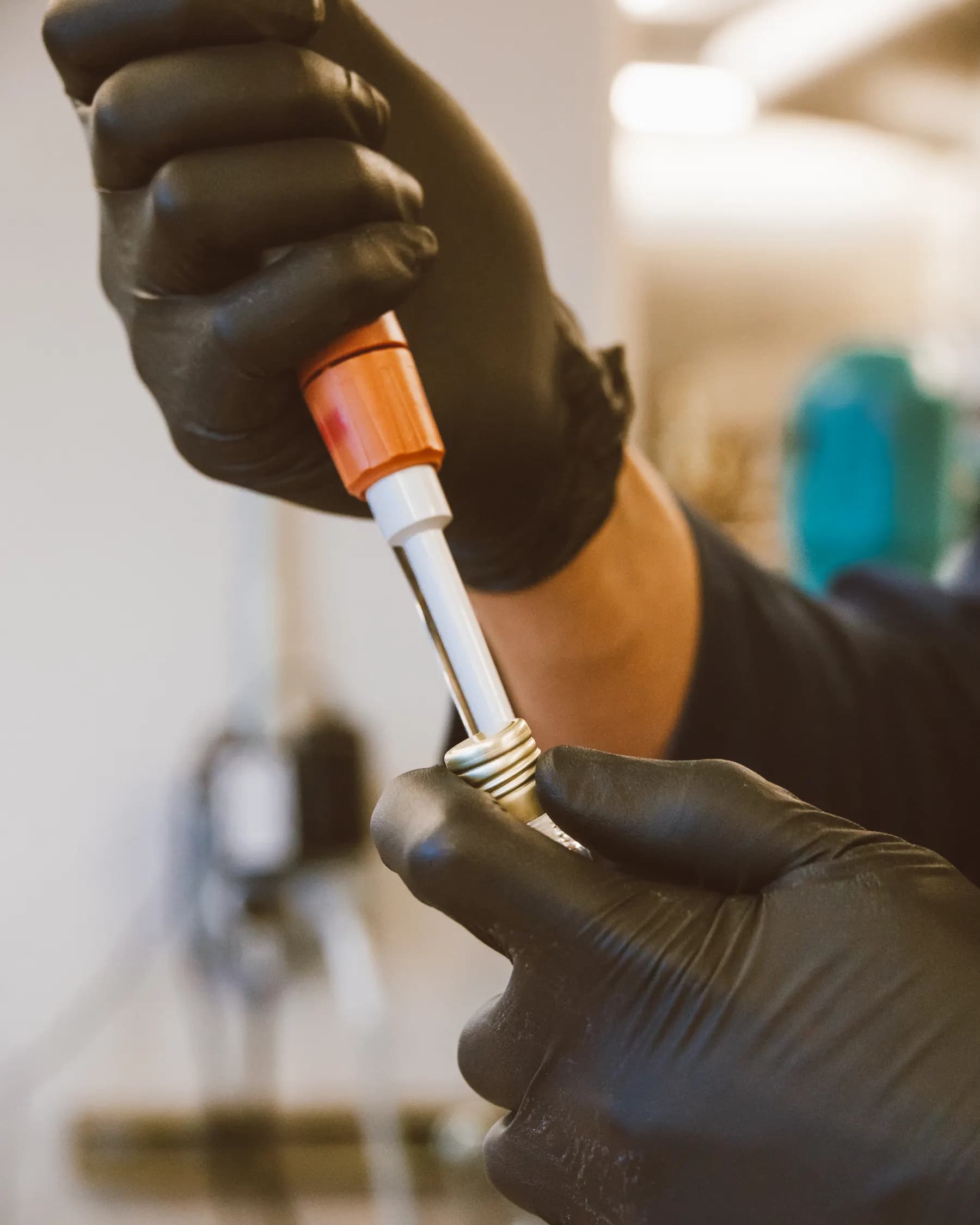 Real photographyTest equipment and prototyping
Organise instruments, components, and prototype parts with serial data, locations, relationships, and an open API.
Shared technical basis
Camera capture lowers the cost of the first record. Typed fields, stock transactions, assignments, labels, and APIs are available when the workflow needs more precision.
Image analysis can propose titles, descriptions, types, and tags. A user reviews the result before relying on it.
QR, barcodes, quantity stock, serialised units, and dated movements resolve to the same inventory model.
The SwiftUI app covers camera capture, lookup, scanning, stock operations, and optional RoomPlan workflows.
Application code, iOS source, migrations, and OpenAPI live in the repository. Docker runs them on infrastructure you control.
Clone the repository, run the Docker stack, inspect the API contract, and decide which optional external services are appropriate for your installation.